


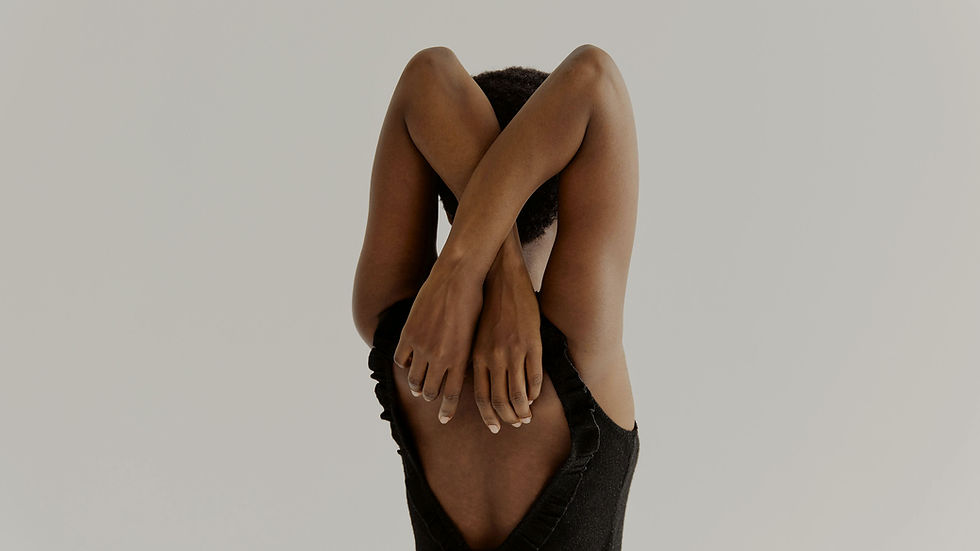
Si mund të menaxhojmë dhimbjet e qafës dhe shpatullave gjatë dimrit
Updated: Feb 25
Pse simptomat mund të përkeqësohen në dimër
1) Ekspozimi ndaj të ftohtit është i lidhur me problemet muskulore
Një studim shkencor ka zbuluar se ekspozimi ndaj të ftohtit është i lidhur me një rrezik të rritur për kushte muskulore, megjithatë autorët theksojnë se nevojitet më shumë hulumtim për të konfirmuar marrëdhëniet shkak-pasojë. PMC Një studim i madh popullor (Studimi Tromsø) gjithashtu raportoi një lidhje midis punës në mjedise të ftohta / ndjenjës së ftohtit në punë dhe dhimbjes kronike. BMJ Open
2) Motit vetë nuk është gjithmonë shkaku direkt
Hulumtime të tjera sugjerojnë se variablat e motit (temperatura, lagështia, presioni i ajrit) mund të mos tregojnë gjithmonë një marrëdhënie të fortë direkte me dhimbjen e nyjave për shumë njerëz; ndryshimet në sjelljen sezonale (më pak aktivitet, më shumë ulje) mund të kontribuojnë ndjeshëm. The Guardian
Përfundimi: Dimri shpesh ndryshon zakonet dhe modelet e lëvizjes në mënyra që mund të rrisin ngurtësinë dhe dhimbjen—edhe nëse “motit” nuk është faktori i vetëm.
Ankesat më të zakonshme dimërore
Dhimbja dhe ngurtësia e qafës (shpesh e lidhur me posturën)
Dhimbja e shpatullave / ngurtësia e lartë e kapakëve
Ngurtësia e sipërme të shpinës
Dhimbjet e kokës të tipit tension (të lidhura me qafën)
Rritja e mbrojtjes muskulore të lidhur me stresin

Çfarë funksionon në të vërtetë (të bazuar në prova)
1) Fizioterapia + ushtrimi është baza më e fortë
Udhëzimet klinike për dhimbjen e qafës mbështesin ndërhyrje të tilla si:
ushtrime për lëvizshmëri,
trajnimi për forcë / qëndresë për qafën dhe rripin e shpatullave,
dhe (kur është e përshtatshme) terapia manuale / mobilizimi / manipulimi si pjesë e kujdesit. JOSPT+1
2) Masazhi mund të ndihmojë (shpesh afatshkurtër), por është më mirë si pjesë e një plani
Një rishikim Cochrane (2024) sugjeron se masazhi për dhimbjen e qafës mund të ofrojë pak ose aspak ndryshim për disa rezultate në varësi të krahasimit dhe ndjekjes—do të thotë se rezultatet mund të ndryshojnë dhe nuk është një zgjidhje e vetme. Cochrane Library Një rishikim i hartës së provave të JAMA Network (2018–2023) thekson se siguria / cilësia e provave për masazhin në kushte dhimbjeje ndryshon shumë, duke mbështetur një qasje të integruar, rast-për-rast. JAMA Network
3) Kujdesi multimodal shpesh performon më mirë
Një meta-analizë e rrjetit tregon se qasjet multimodale mund të jenë ndër më efektivët për përmirësimin e dhimbjes së qafës dhe aftësisë për të vepruar, në varësi të profilit të pacientit dhe përzierjes së ndërhyrjeve.
Një rutinë e thjeshtë dimërore në shtëpi (5–8 minuta)
Nxehtësi opsionale (10–15 min) nëse ndihmon
Lëvizshmëri e butë e qafës (pa dhimbje)
Tërheqje e mjekrës (6–10 përsëritje)
Tërheqje / depresion e scapulave (8–12 përsëritje)
Shtrirje e gjoksit (30–45 sekonda)
Nëse dhimbja përkeqësohet ndjeshëm ose zhvilloni mpirje / ndjesi të çuditshme, ndaloni dhe kërkoni vlerësim.

Kur të kontrolloni urgjentisht
Simptomat që vazhdojnë >2–3 javë pa përmirësim
Mpirje, dobësi, ose dhimbje që rrezaton në krah
Marramendje të rëndë / probleme të reja me ekuilibrin
Temperaturë, humbje peshe të paqartë, ose dhimbje pas traumës
Si mund të ndihmojë Jasmine Spa & Fizioterapi në dimër
Planet më efektive dimërore kombinojnë:
vlerësimin e fizioterapisë
terapinë manuale të targetuar kur është e nevojshme
një program të personalizuar ushtrimesh
masazhin terapeutik / relaksues për të mbështetur lehtësimin e simptomave dhe lëvizshmërinë
Qëllimi: jo vetëm lehtësim afatshkurtër, por lëvizje më të fortë dhe më të lirë gjatë gjithë sezonit.


Comments